Hello, world!

This is a simple hero unit, a simple jumbotron-style component for calling extra attention to featured content or information.

Learn more
#STAYHOME
Please leave home only when absolutely necessary.
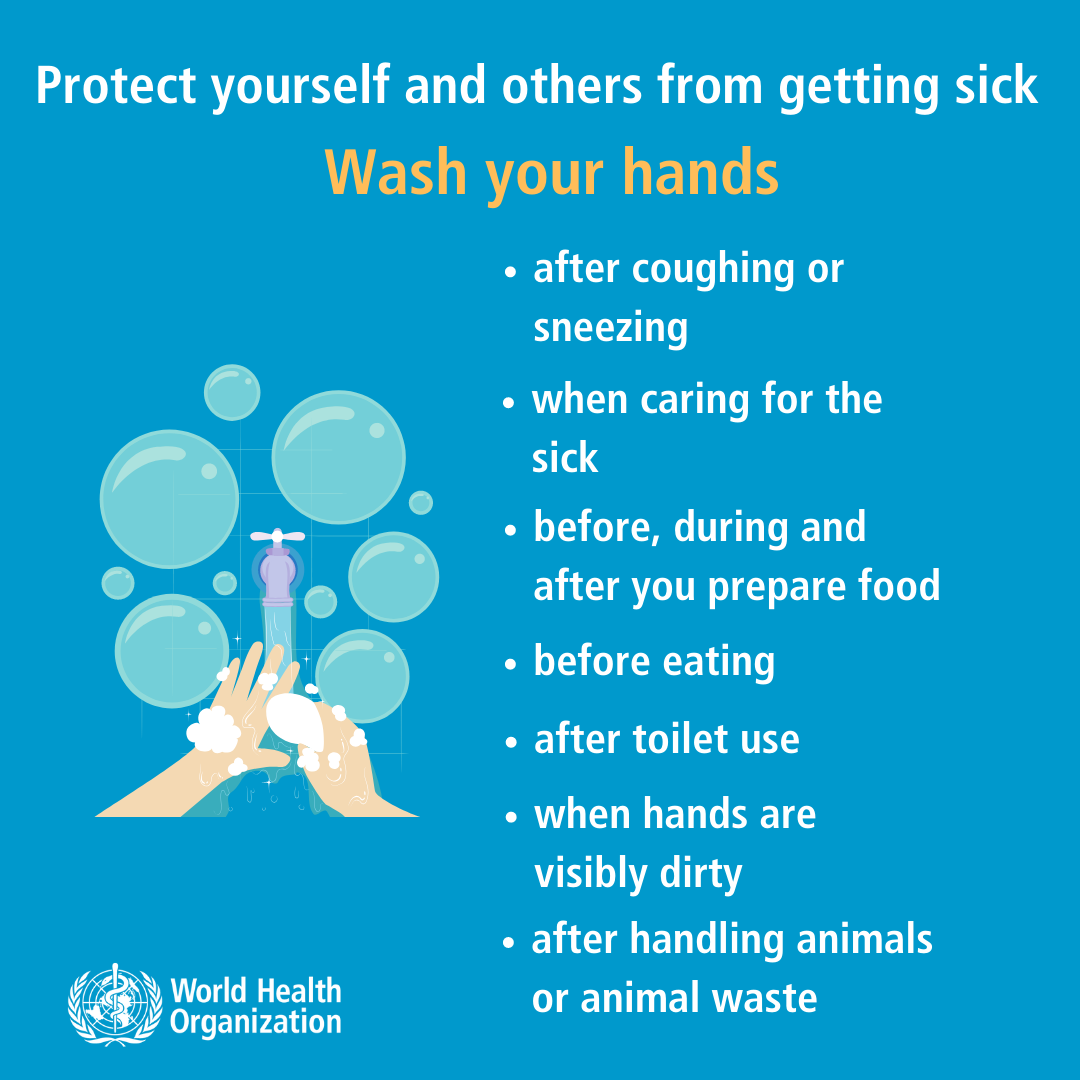
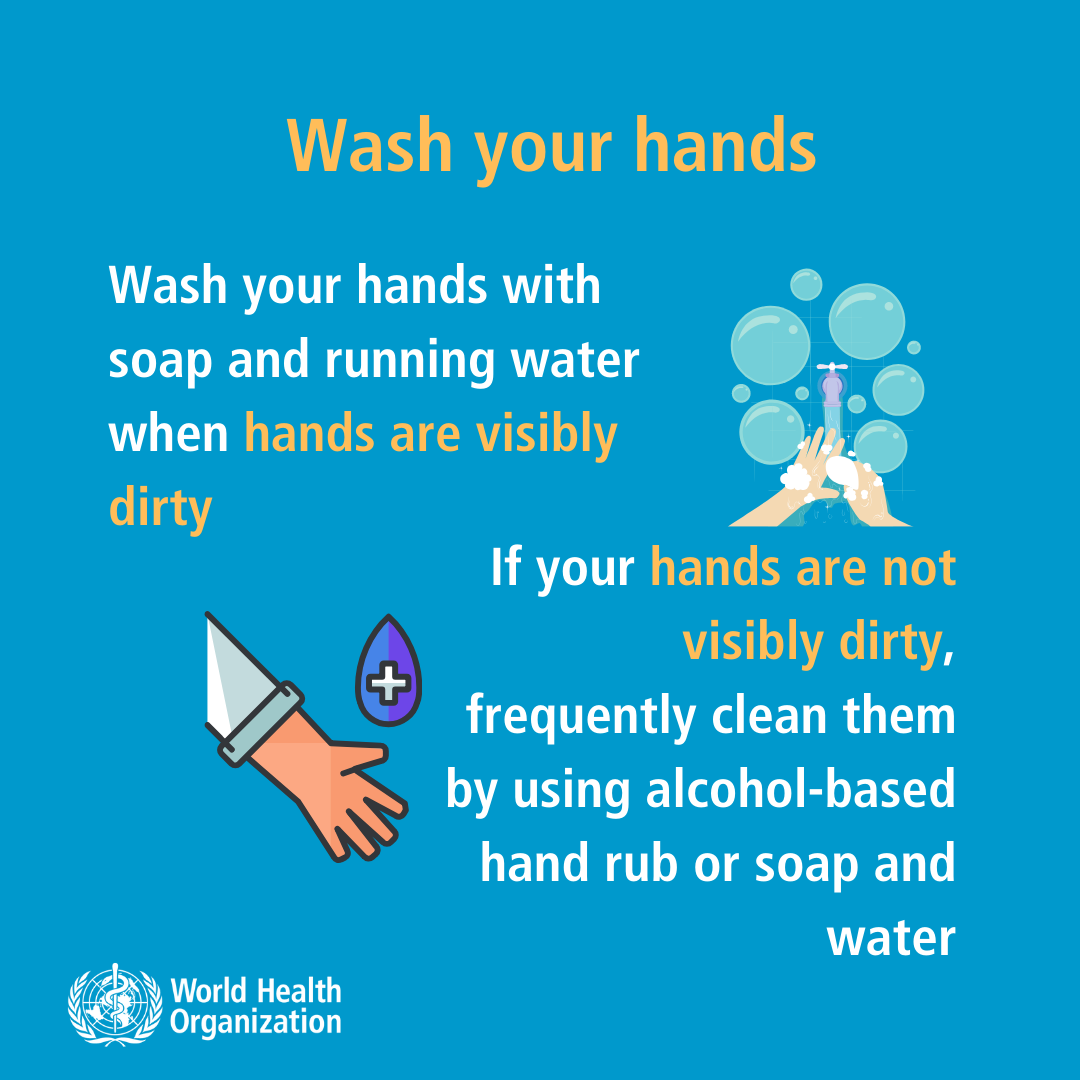
Wash your hands frequently
Regularly and thoroughly clean your hands with soap and water.

Symptoms may occur within 14 days with an infectious patient. Symptoms are largely similar to respiratory diseases, often mimic the common cold, and may be similar to flu.

What can be done right now?

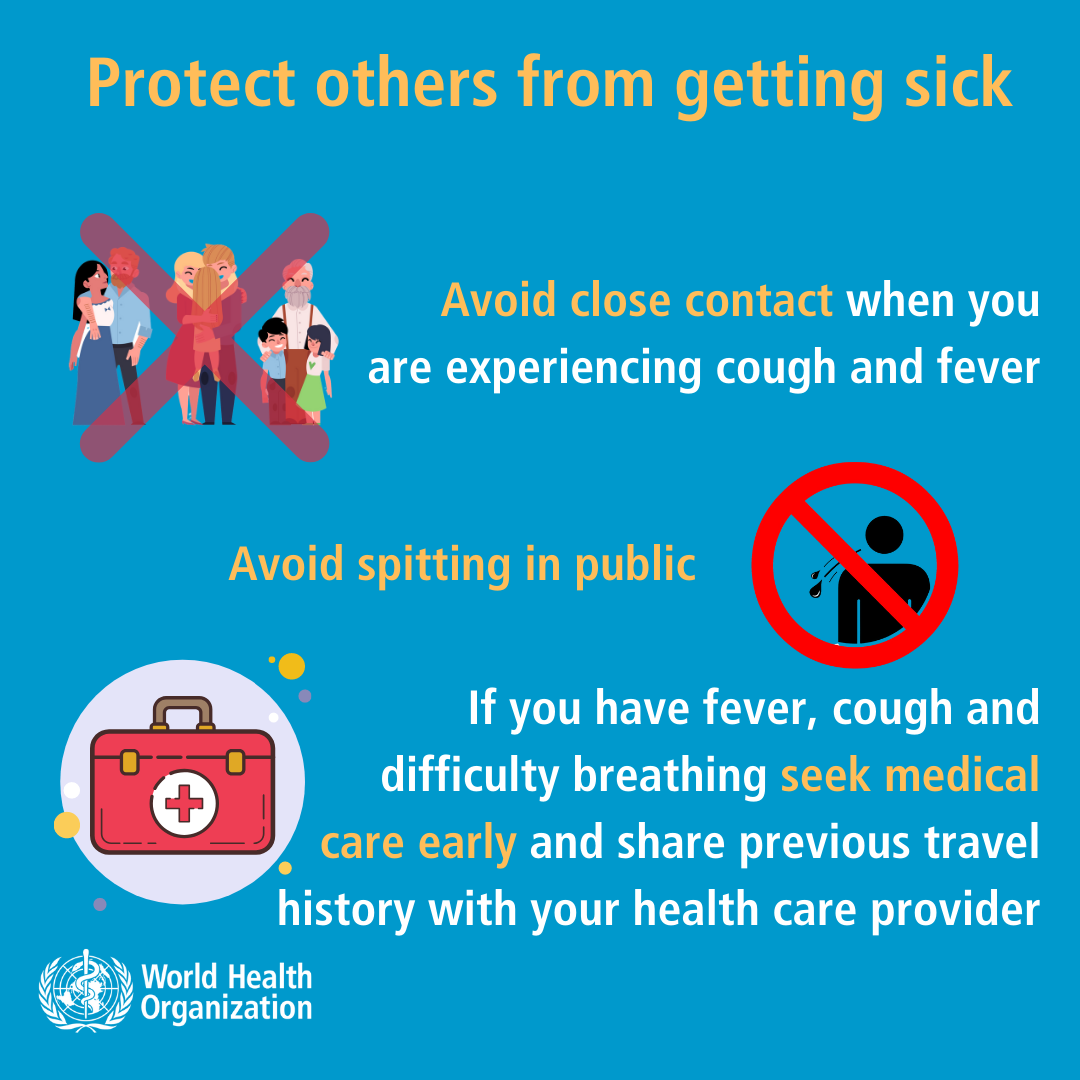
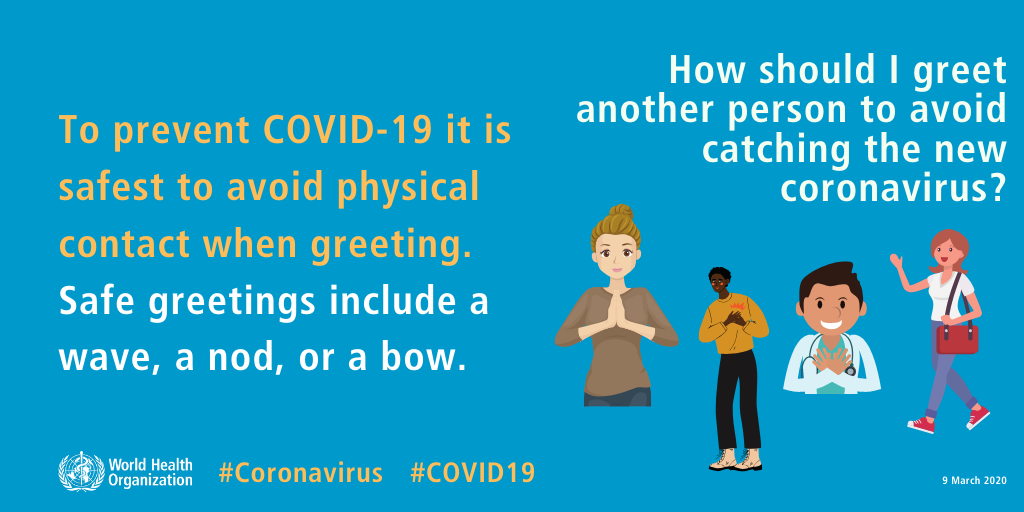
Maintain social distancing

Someone famous in Source Title

Wash your hands frequently.

Someone famous in Source Title

Avoid touching eyes, nose and mouth.

Someone famous in Source Title

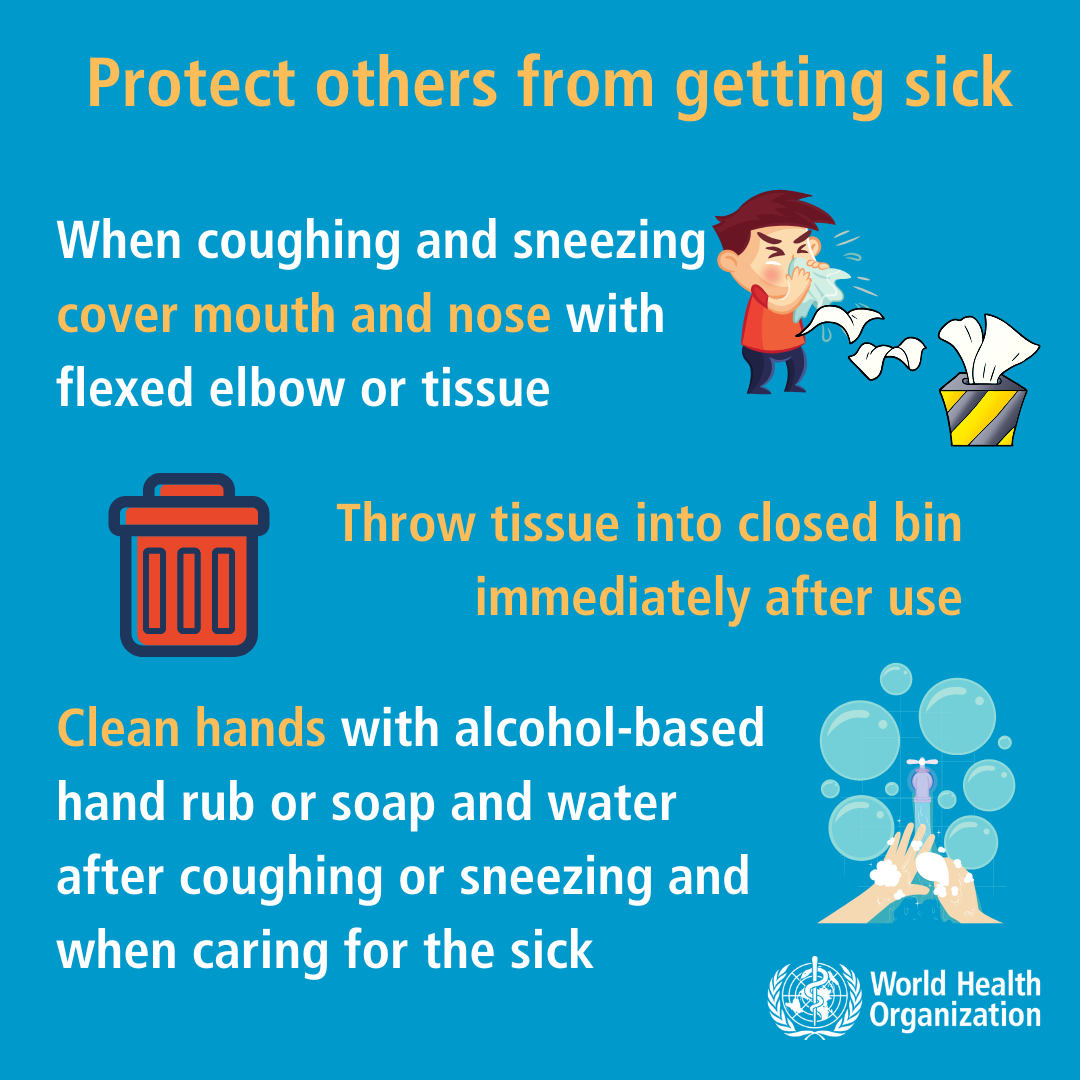
Practice respiratory hygiene

Covid-19 Status Bangladesh

1

Recovered in last 24 hours

113

Total Recovered

113

New Case

4745

Total Running Case

09

Death in last 24 hours

140

Total Death

Government Measures

Anti crisis plan.

Event cancellation

Border crossing.

Flight restriction

Ask WHO

...
...
...
...
...
...
...
...
Month wise COVID-19 Case
Sex distribution in percent

World statistics

Information from the WHO

eGeneration Limited

Virus Distribution Map

Answers on Questions

A quarantine is a restriction on the movement of people and goods which is intended to prevent the spread of disease or pests. It is often used in connection to disease and illness, preventing the movement of those who may have been exposed to a communicable disease, but do not have a confirmed medical diagnosis.

In health care facilities, isolation represents one of several measures that can be taken to implement infection control: the prevention of contagious diseases from being spread from a patient to other patients, health care workers, and visitors, or from outsiders to a particular patient

Social distancing, also called physical distancing, is a set of non-pharmaceutical interventions or measures taken to prevent the spread of a contagious disease by maintaining a physical distance between people and reducing the number of times people come into close contact with each other.

Coronaviruses are a large family of viruses which may cause illness in animals or humans. In humans, several coronaviruses are known to cause respiratory infections ranging from the common cold to more severe diseases such as Middle East Respiratory Syndrome (MERS) and Severe Acute Respiratory Syndrome (SARS). The most recently discovered coronavirus causes coronavirus disease COVID-19.

COVID-19 is the infectious disease caused by the most recently discovered coronavirus. This new virus and disease were unknown before the outbreak began in Wuhan, China, in December 2019. COVID-19 is now a pandemic affecting many countries globally.

Common symptoms:
  • Fever.
  • Tiredness
  • Dry cough.
Some people may experience:
  • Aches and pains.
  • Nasal congestion.
  • Runny nose.
  • Sore throat
  • Diarrhoea.

People can catch COVID-19 from others who have the virus. The disease spreads primarily from person to person through small droplets from the nose or mouth, which are expelled when a person with COVID-19 coughs, sneezes, or speaks. These droplets are relatively heavy, do not travel far and quickly sink to the ground. People can catch COVID-19 if they breathe in these droplets from a person infected with the virus. This is why it is important to stay at least 1 metre (3 feet) away from others. These droplets can land on objects and surfaces around the person such as tables, doorknobs and handrails. People can become infected by touching these objects or surfaces, then touching their eyes, nose or mouth. This is why it is important to wash your hands regularly with soap and water or clean with alcohol-based hand rub. WHO is assessing ongoing research on the ways that COVID-19 is spread and will continue to share updated findings.

Practicing hand and respiratory hygiene is important at ALL times and is the best way to protect others and yourself.

When possible maintain at least a 1 metre (3 feet) distance between yourself and others. This is especially important if you are standing by someone who is coughing or sneezing. Since some infected persons may not yet be exhibiting symptoms or their symptoms may be mild, maintaining a physical distance with everyone is a good idea if you are in an area where COVID-19 is circulating.

Protect yourself and others from getting sick
...
...
...
...

Virus Coordination Team

Hopkons J.D.

Leading Virologist

Benson G.M.

Coordination Council

Palmer L.R.

Ministry of Health

Harrison S.W.

Head Epidemiologist

Emergency Notifications

Subscribe to receive emergency notifications about the status of the spread of the virus.

Share information on social networks

As much as possible people should learn about the spread of the virus and how to protect against it.

Hotline Support:

999

Information links

COVID-19 website
WHO information network for epidemics